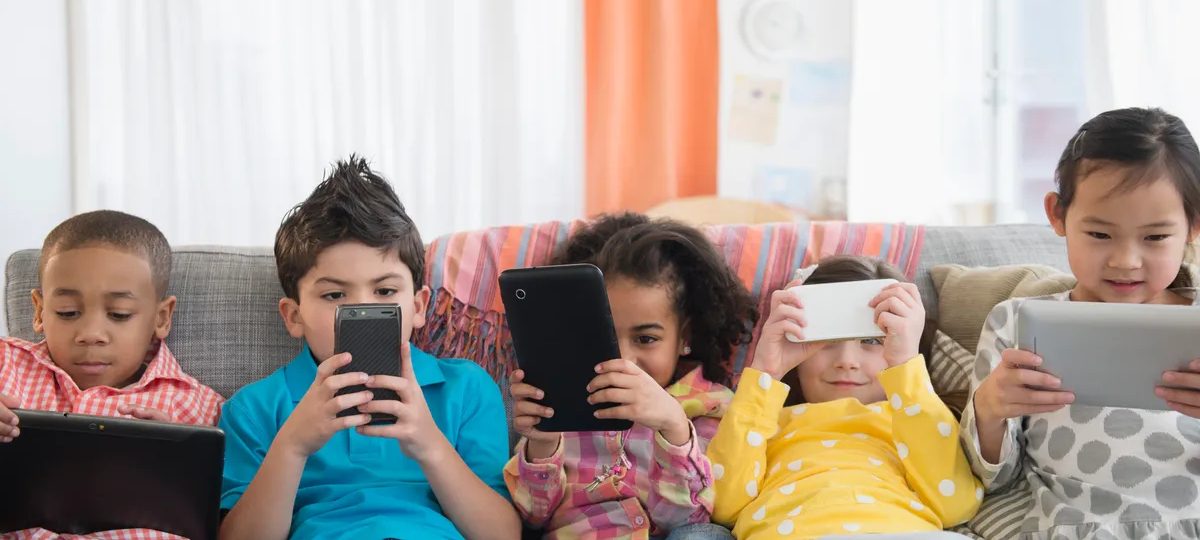
In today’s digital age, children are growing up surrounded by screens. From educational tablets to streaming cartoons and endless scrolling on smartphones, technology has become a constant companion in many homes. While digital tools can have benefits when used mindfully, an increasing body of research shows that story time, reading real, physical books, still has a far greater impact on children’s emotional, cognitive, and social development.
At The Good Child Bookstore, we’ve seen firsthand how a child’s imagination lights up when they hold a book, turn its pages, and lose themselves in a story. Unlike screens, books demand active participation. When children read, they visualize characters, imagine scenes, and connect emotionally with the narrative. This active engagement strengthens brain pathways linked to creativity, empathy, and critical thinking — skills that passive screen consumption simply cannot replicate.
The Hidden Costs of Too Much Screen Time
While screens are convenient, excessive use can have long-term developmental drawbacks. Prolonged screen time has been linked to shorter attention spans, delayed language development, and reduced emotional regulation in young children. Many parents also notice behavioral changes after extended screen use — irritability, restlessness, and reduced focus.
This isn’t to say that technology is inherently harmful, but it’s clear that balance is key. For children under the age of 10, experts recommend prioritizing reading and real-world play over digital content. A story read aloud by a parent or teacher not only builds vocabulary but also creates an emotional bond — something no app or video can truly replicate.
Why Story Time Still Wins
When a parent or caregiver reads to a child, something magical happens. The child listens actively, asks questions, and builds comprehension skills. They learn to empathize with characters, predict outcomes, and understand complex emotions. These are the same skills that support emotional intelligence and academic success later in life.
Books also nurture patience and focus. Unlike the instant gratification of videos or games, stories unfold slowly, teaching children to pay attention and wait for the reward that comes at the end. Over time, this helps them develop persistence and deeper concentration — two qualities that screens tend to erode.
Moreover, reading together provides moments of connection. Whether it’s a bedtime story, a weekend reading ritual, or a trip to pick a new book, story time fosters relationships and builds lasting memories. These shared experiences communicate love, safety, and belonging — all crucial for a child’s emotional well-being.
The Science Backs It Up
Neuroscience research consistently shows that reading stimulates more areas of a child’s brain than watching videos does. When listening to stories, children’s brains light up in regions responsible for language, imagery, empathy, and memory. In contrast, screen-based media activates fewer regions and often leads to more passive cognitive engagement.
A 2023 study published in Pediatrics found that preschoolers who read with their parents regularly had significantly stronger language and emotional regulation skills than those who spent the same amount of time with digital media. This reinforces what teachers and parents have known for decades — stories shape not only how children think, but who they become.
Building a Healthy Balance
The goal isn’t to ban screens entirely — after all, technology will always be part of our children’s world. The key is balance. By setting limits and prioritizing daily reading routines, parents can ensure that story time remains central to their child’s growth. Replacing one episode of a cartoon with one bedtime story can make a remarkable difference over time.
If you’re wondering where to start, choose books that spark curiosity and imagination. At The Good Child Bookstore, we curate a wide range of children’s books designed to nurture empathy, creativity, and a lifelong love of learning. From picture books for toddlers to chapter books for early readers, each story we stock is handpicked to inspire and educate.
Final Thoughts
Screens may be bright, fast, and convenient — but stories are timeless. A good book invites children to slow down, think deeply, and connect emotionally. It builds empathy, strengthens the mind, and fills childhood with wonder. As parents, the most meaningful gift we can offer isn’t a new app — it’s our time, our voice, and the stories we share.
So tonight, instead of handing over the tablet, open a storybook. Sit close, read aloud, and watch your child’s imagination unfold. You’ll be giving them more than entertainment — you’ll be giving them roots, curiosity, and a love for learning that lasts a lifetime.
Discover your next great read at thegoodchildbookstore.com where every book is chosen to help children grow kinder, wiser, and more imaginative. Because story time will always win.